
 Home
Home
Search

Ways to prevent rust in bike fuel tanks
Ways to prevent rust in bike fuel tanks
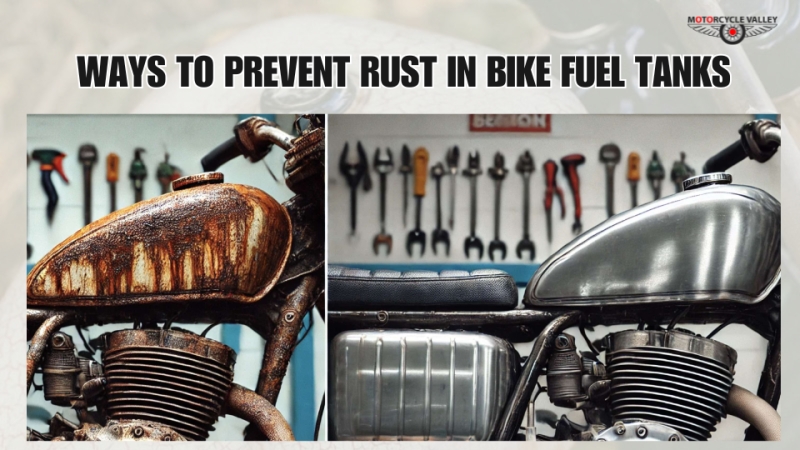
Rust in bike fuel tanks is a common problem, especially in humid climates or when the bike is not used for a long time. Detailed ways to prevent rust are given below:
Main causes of rust
Mainly, moisture or water vapor is the main cause of rust. When there is empty space in the tank, air accumulates there and due to temperature changes, water vapor condenses and turns into water. This water comes into contact with the metal surface and gradually forms rust.
Detailed ways to prevent rust
Always keep the fuel tank full: This is the most important preventive measure. If the amount of oil in the tank is high, the opportunity for air to accumulate is reduced, as a result of which water vapor cannot condense, so whenever possible, keep the tank full.
Use good quality fuel:
Pure fuel: Get fuel from good quality and authorized filling stations, as low-quality or adulterated oil may contain more water.
Octane selection: Good quality octane fuel usually has a low alcohol content. Alcohol retains water and promotes rust formation, so use the highest octane possible.
Use fuel stabilizer: If you plan to park your bike for a week or longer, add a fuel stabilizer to your fuel. This prevents chemical decomposition of the fuel and protects against moisture buildup.
Ride your bike regularly: Riding your bike regularly maintains the normal flow of fuel through the fuel system, which prevents moisture from accumulating in one place and reduces the risk of rust.

Proper storage and parking:
Park in a dry place: Always park your bike in a dry and shaded place. Avoid exposing it to rain or direct sunlight.
Use a cover: You can use a waterproof cover when parking in humid areas or outdoors.
Use a dehumidifier in the garage: If possible, control the humidity in the air by using a dehumidifier (a device that absorbs moisture) in the garage.
Use of Rust-Proof Coating or Liner:
A rust-proof fuel tank liner or sealant can be used on the inner surface of the tank. It creates a protective layer inside the tank, which prevents the metal from coming into direct contact with fuel and moisture. It is best to have this done with the help of an experienced mechanic.
Regular Inspection and Cleaning:
Check the inside of the tank with a flashlight every 6 months or more frequently if necessary.
If initial signs of rust appear, clean it quickly with a professional tank cleaner or rust removal product.
Following these preventive measures will make your bike's fuel tank last longer and will help avoid engine damage.
Is this tips helpful?



Bike Tips
 2025-12-03
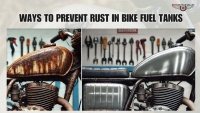
Rust in bike fuel tanks is a common problem, especially in humid climates or when the bike is not used for a long time. Detailed...
English Bangla 2025-10-23
The ECU, or Engine Control Unit, is an electronic device that controls and manages various engine functions of a motorcycle. It ...
English Bangla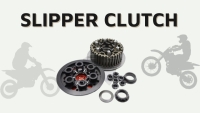 2025-10-22
One of the most in-demand features in modern motorcycles is the Slipper Clutch.A Slipper Clutch is a special type of clutch syst...
English Bangla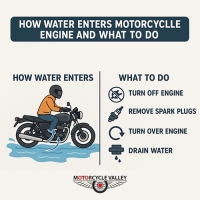 2025-06-15
Due to ongoing heavy rainfall, floods, and water logging in various parts of the country, there is a significant risk of water...
English Bangla 2025-05-12
If you ride a bike, regular maintenance is a must—but during the monsoon, it requires extra care and attention. Rain, mud, a...
English Bangla
2025-12-03